When the Spade Still Earns Its Keep: A No-Dig Reality Check for British Plots
Photo: gardener single digging heavy clay soil autumn UK garden spade fork, via cdn.pixabay.com
No-dig has earned its following. Mulching beds, letting worms do the lifting and keeping the fork in the shed is a sensible default for most established plots — less disturbance, fewer weed seeds turned up, better moisture retention. If you have got a decent loam and a bed that has been worked for years, piling compost on top and walking away is often the smart move.
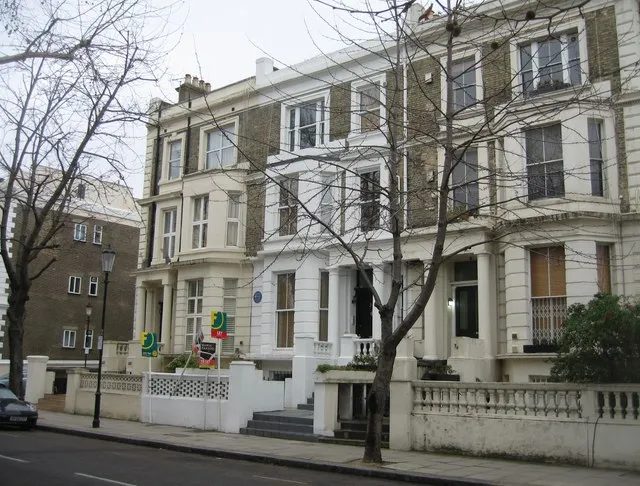
But the internet has a habit of turning a good default into a universal law. Scroll through enough clips and you would think touching a spade is a moral failing. Meanwhile, plenty of real British gardens — the heavy clay behind a Victorian terrace, the compacted square outside a new-build, the plot that has had ten years of brambles and a skipped delivery of hardcore — do not fit the script.
So here is the Dig It position: no-dig is a tool, not a religion. Sometimes the spade still earns its keep. The trick is knowing which plot you are standing on.
No-dig quietly assumes you have got soil worth not digging
Most no-dig advice is filmed on land that is already in reasonable heart. The beds are deep, the drainage works, the weeds are annual. Layer mulch on that and you will do fine.
The problems start when the soil underneath is the issue. Compaction, a clay pan, builder's rubble, perennial weed roots — those are not fixed by what you put on top. They are fixed by what you do below. A mulch layer over a brick-hard pan is just a tidy lid on a bad situation.
That is not an attack on no-dig. It is a reminder to diagnose before you decide.
Four situations where turning the soil genuinely pays
Heavy clay that has been walked on. Clay is workable when it is structured and a nightmare when it is squashed. If your beds hold water, crack in summer and refuse a fork in winter, opening the profile once, properly, can be the reset that makes every later mulch count.
New-build subsoil. Plenty of new gardens are a thin skim of topsoil over compacted subsoil, with the drainage and the worm population to match. No-dig works brilliantly once the ground is functioning. Getting it functioning may need a fork, some organic matter worked in, and a one-off deep loosening of the worst pans.
A plot coming out of neglect. Couch grass, bindweed, bramble roots, buried rubble — you can smother some of it, but big perennial root systems and a wrecked surface usually need clearing and re-forming. Digging is the honest option, done once and done well.
Drainage and level problems. If water sits, if the ground slopes towards the house, if there is a buried layer stopping roots, you need to see and fix the soil, not dress it.
Where no-dig wins, and wins easily
Be fair to it. On established beds with decent structure, no-dig is less work, kinder to worms and fungal networks, and better at holding moisture through a dry summer. On sandy soils it is a no-brainer. On raised beds it is the default. On slopes, it stops soil washing away. And for anyone with a bad back or limited time, it is the difference between gardening and not gardening.
The point is not to pick a side. It is to stop treating a method as an identity.
Digging in late autumn and winter without wrecking the place
Timing matters more than technique. Dig when the soil is moist but not soaked — squeeze a handful, and if it smears like wet plaster, wait. Late autumn is often good: the soil is workable, the beds are emptying and the frost can do some of the breaking down for you.
A few rules that save structure and spines:
- Single dig, do not double dig. Lift a spade's depth, turn it, drop it back. Double digging has its place in serious vegetable plots, but most gardens do not need it.
- Fork the base, do not flip the subsoil. Loosen the layer below with a garden fork and leave it where it is. Subsoil is not topsoil, and bringing it up is rarely an upgrade.
- Leave the surface rough. Big clods over winter let frost and rain in and improve the tilth by spring. Raking it flat now just gives weeds a head start.
- Work backwards and keep off the beds. Use boards to spread your weight, and do not tramp across soil you have just opened.
- Warm up first. Ten minutes of movement, short sessions, and a decent fork with a long handle. Your back is part of the toolkit.
Add organic matter as you go or on top afterwards. Digging is not a substitute for feeding soil — it is sometimes the preparation that lets feeding work.
The plot test: a quick decision list
Before you follow any rule from a video, answer these:
- Does water sit on the surface for more than a day after rain?
- Does a fork go in easily, or does it bounce?
- Is there a hard layer within a spade's depth?
- Are there deep-rooted perennials you have failed to smother for two seasons?
- Is the soil thin over rubble, clay or compacted subsoil?
- Have the beds been walked on, driven on or used as a builder's yard?
Two or more yeses: a one-off dig, fork and organic matter is probably worth it. All noes: mulch, wait, and leave the spade alone.
No-dig and digging are not opposites. They are both answers to the question, what does this soil need? Dig It's advice is simple: ask the plot, not the algorithm. Then pick up the right tool — and put it down again when the job is done.