Close to the Wall: A Working Planting Strip for Damp Corners and Small Plots
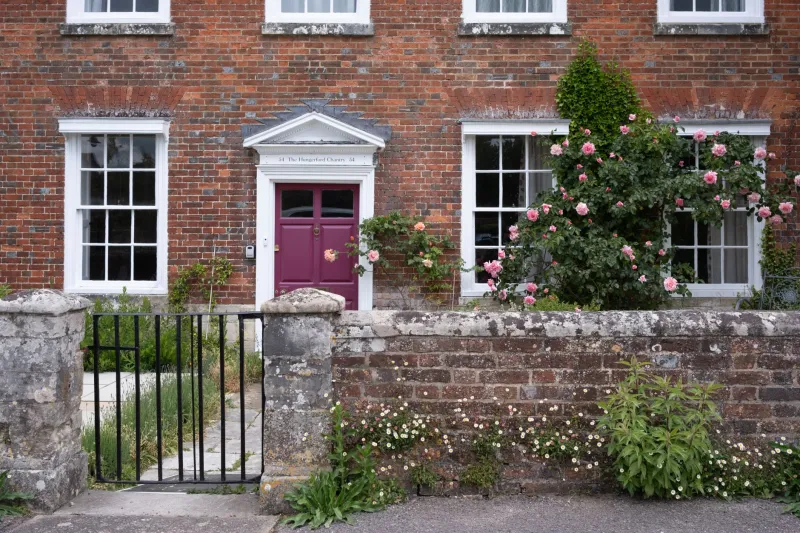
Every UK garden has one: the thin band between the back wall and the rest of the plot. On many properties it is somewhere between 45cm and a metre wide, long enough to matter and narrow enough to be ignored. It becomes the home of the wheelie bin, a coiled hose, a lonely bag of grit and perhaps a shrub that someone planted years ago and never pruned. It is also the strip that touches your house, which makes it worth a proper look before you add another pot to it.
Start With a Tape Measure and a Damp Check
Before you buy a single plant, measure the strip and look at the wall. Find the damp-proof course, usually a visible line of slightly different brick or a plastic membrane about two brick courses above ground level. Soil and mulch should sit at least 15cm below that line, not piled up against the brickwork. If the bed has built up over the years, scrape it back. Check air bricks, vents and any drainage grates too. These need to stay clear, and a plant jammed in front of them is not a design feature.
While you are there, watch how water moves. Does the gutter overflow onto this strip? Does a downpipe dump straight into it? Does the ground stay soggy for days after rain, or is it bone dry because the wall shelters it? Note how much sun the strip gets. A south-facing wall can be surprisingly hot and bright; a north-facing one may stay cool and shaded for most of the day. Those two observations will do more for your plant choices than any label at the garden centre.
What This Strip Is Actually For
It helps to think of the wall border as a working edge rather than a leftover flowerbed. It takes splashback from rain, it buffers the wall from soil moisture, and it hides the slightly grubby base of the house where the render meets the ground. In a small garden, it also adds a layer of depth. A narrow band of low planting in front of taller, looser plants can make the boundary feel further away without stealing usable patio space.
The trick is not to cram it. A crowded strip traps damp, blocks vents and makes maintenance miserable. You want enough plants to soften the wall, not so many that you cannot get a hand in to weed or prune.
Improve the Soil Without Digging a Pit
Near a house wall, restraint matters. You are not trying to double-dig a border; you are trying to improve the top 20–30cm so plants can establish without encouraging roots towards the foundations. Fork over the surface to break up compaction, then add well-rotted compost and a little horticultural grit if the soil is heavy clay. Mix it into the top layer rather than burying it in a deep trench.
If drainage is genuinely poor, do not create a deep soakaway right against the wall. Instead, keep the soil level slightly lower than the surrounding garden, add grit and organic matter, and direct surface water away from the house. A shallow gravel mulch can help stop splashback and keeps the strip looking tidy. Keep the finished level below the damp-proof course and leave a small gap between mulch and brickwork.
Plant in Layers, Not a Single Row
A narrow border works best with three simple layers: low ground cover at the front, slightly taller perennials or small shrubs in the middle, and a few climbers or wall-trained plants at the back. Keep clearances sensible. Allow 30–45cm between a shrub and the wall so air can move, and keep perennials around 15–20cm away from the brickwork. Climbers should be on wires or a trellis, not left to grip directly into mortar.
For sunny walls, try lavender, rosemary, hardy geraniums, erigeron, hebe or a compact choisya. For shade, sarcococca, hellebores, epimedium, ferns and carex will cope with cooler conditions. A small amount of evergreen structure stops the strip looking bare in winter. If you want scent by a door, a climbing jasmine or trachelospermum works well, but keep it clipped away from windows and security lights.
Keep Windows, Doors and Vents Clear
This is the bit people forget. Leave at least 45–60cm either side of a door so you are not fighting foliage every time you carry the shopping in. Keep plants below window sills, and do not let climbers wander across glass, hinges or alarm boxes. If the strip runs past a boiler flue or an air brick, leave a clear zone and choose low, flexible planting instead of a woody shrub.
A Weekend Plan That Fits a Real Garden
Start on Saturday morning by clearing the strip properly. Remove rubbish, old pots, weeds and any buried rubble. Cut back anything that is already touching the wall, then check the damp-proof course and vents. Fork the surface, add compost and grit, and rake it level. Keep the finished soil a little below the damp-proof course and water it if the ground is dry.
On Sunday, set out your plants while they are still in their pots. Put the tallest or most structural plants near the back, low spreaders at the front, and leave gaps for air and access. Plant, firm gently and water. Add a thin gravel or bark mulch, keeping it clear of the wall, and fix any climber wires before the plant starts growing. That is the whole job: not a grand redesign, just a neglected strip given a clear role.
The Payoff Is Quiet but Real
A well-planted wall border will not shout about itself. It will simply make the garden feel fuller, hide the awkward junction between house and ground, and give rain somewhere sensible to go. It also gives you a reason to keep the strip clear. Once it is planted, a quick cutback in late winter and a top-up of mulch in spring is about all it needs. The bin can live somewhere else.