The Tidy Wild: A Wildlife Corner That Looks Designed, Not Abandoned
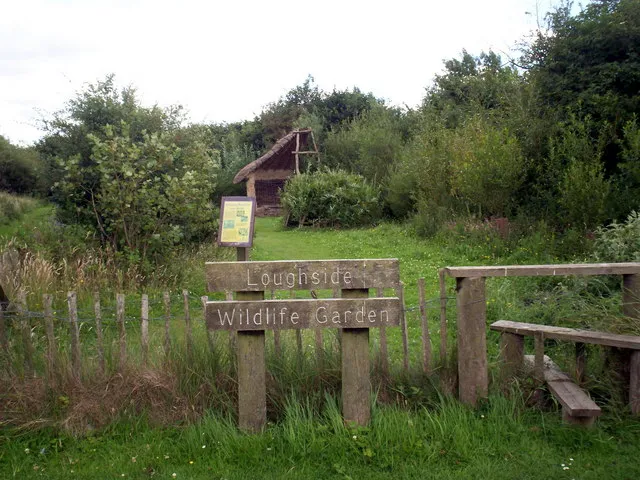
Photo: P Flannagan, CC BY-SA 2.0, via Wikimedia Commons
Every few summers the wildlife corner reappears in British gardens, and every time it's the same: a pallet against the fence, a heap of prunings, a plastic tray of green water. Good intentions, terrible finish. Then someone tidies it away in September because it looks like a fly tip.
The fix isn't to make habitat neater. It's to design it. A wildlife corner with an edge, some height and a bit of restraint reads as a deliberate feature — and a deliberate feature survives longer than a good deed.
Why most habitat corners fail the eye test
Three reasons, usually. No boundary, so the mess bleeds into the lawn. No height, so it's a flat brown smudge at ankle level. And no restraint — six different ideas crammed into two square metres.
Fix those three and the same pile of logs suddenly looks like it was drawn by someone who knew what they were doing. Which, after this weekend, it was.
Pick the corner that suits the wildlife
Don't put it where the sun is best; that's for your tomatoes. Habitat wants the damp, shaded, slightly forgotten end — north-facing boundary, behind the shed, beside the downpipe, under a hedge. Roughly 1.5m by 1.5m is plenty. A 2m by 1m strip along a fence works just as well and suits small plots better.
Keep it near a fence gap so hedgehogs can reach it, and away from the patio doors so you're not inviting rats to dinner. More on that below.
Step one: the log pile, framed
The single best upgrade to any wildlife corner is a frame around the wood. Cut ends facing out, stacked inside a rectangle of dry-stacked bricks, reclaimed kerbs or 100mm timber, and the pile stops being a heap and starts being an object.
Build the frame first, sitting it on bare soil or a thin gravel strip so it doesn't rot from below. Then fill: hardwood logs, a mix of diameters, bark left on. Wedge a few really rotten pieces low down — decay is the whole point — and leave gaps of 2–4cm between logs for beetles, centipedes and the odd overwintering queen.
One log, drilled with 6–10mm holes about 100mm deep, gives solitary bees somewhere to nest. Drill into the cut end, sand the entrance, and you've added twenty minutes and one habitat.
Finish with a scoop of leaf mould or soil tucked into the top layer and a small fern or primrose planted into it. A living fringe on top is what turns the frame into a garden feature.
Step two: a frog shelter that's actually a shelter
Frogs don't want a bucket of stagnant water. They want damp, dark cover and a way in and out. A bucket is a death trap.
Go for a sunken shelter: an upturned washing-up bowl or a stack of broken terracotta pots half-buried in the shade, with a door cut into one side, a stone ramp up to it, and a couple of damp bricks inside. Or a proper sunk tray with drainage holes drilled in the base, filled with leaf litter. Both take half an hour and cost nothing.
If you want water, keep it shallow and make sure there's an exit. A wide saucer of rainwater with a pebble beach and a ramp over the rim will do more for amphibians than a deep tub they can't climb out of. Don't site it in full sun and don't site it next to the log pile's sunny side — the shelter needs to stay cool and damp.
And a word on slug pellets: if you're baiting the borders, don't build a frog hotel next door. It's a bit like opening a restaurant and putting a landmine in the car park.
Step three: native planting pockets, in threes
This is the part that lifts the corner from pile-of-stuff to planted feature. Plant in groups of three of the same species rather than a rattle-bag of ones — repetition is what makes a wild look read as designed.
For a shaded corner: primrose, wild strawberry, wood anemone, barren strawberry, foxglove. For a sunnier edge: betony, common knapweed, birds-foot trefoil, yarrow. Add one structural grass — Deschampsia cespitosa tussocks or a clump of carex — and one woody thing for winter bones: a coppiced hazel, a guelder rose, or a small field maple if you've room.
Native plug plants run £3–£4 each from a wildflower nursery; a pack of seed is £5–£15 and slower but cheaper. No peat, obviously, and steer clear of anything with a reputation for running — bamboo, ivy in a small plot, and nettles unless you genuinely have the space to give them.
The routine that keeps it credible
A wildlife corner fails when it becomes maintenance-free in the wrong sense. Give it two visits a year and it stays sharp.
Mid-March, once the frosts have gone: cut back last year's growth, but only half. Leaving half standing means there's always cover, and cutting in a two-year rotation means there's always somewhere for things to be. Take the cuttings away — leaving them builds fertility and the nettles win.
Late October: top up the log pile with prunings, check the frame hasn't slumped, clear leaves off any shallow water and give the edging a knock back into line. Nothing diseased goes in, and no leylandii — evergreen trimmings smother rather than shelter.
That's it. No feeding, no spraying, no tidying for the sake of it.
The winter weekend build plan
Before you start: clear the corner, cut a clean edge with a half-moon spade and lift the turf. That line is the thing that makes the whole scheme look intentional, so do it properly and keep it crisp all year.
Saturday morning: build the frame, four courses high, on a levelled base. Fill with logs, drill the bee log, plant the primrose on top.
Saturday afternoon: sink the frog shelter and its shallow water saucer, both in shade, both with ramps. Add leaf litter to the shelter floor.
Sunday: plant the pockets in threes, mulch with leaf mould, and water everything in. Then stand at the kitchen window and check the view — if the tallest element is at the back and the edging line is clean, you're done.
Budget, realistically: a couple of timber sleepers or a bag of reclaimed bricks, £20 of native plugs, and whatever you've got in the log basket. Under £80 all in, most of it spent on plants. Half a day of actual work.
The three rules
Edge it, so it has a shape. Give it height, so it has a silhouette. Cut it once a year, so it never gets the chance to look neglected.
Do those three and your neighbours will assume you paid someone. The frogs won't care either way, but the corner will still be there in five years — which is more than can be said for the pallet.