Small Patch, Proper Reset: A Weekend Plan for a Tired 3m × 3m Garden

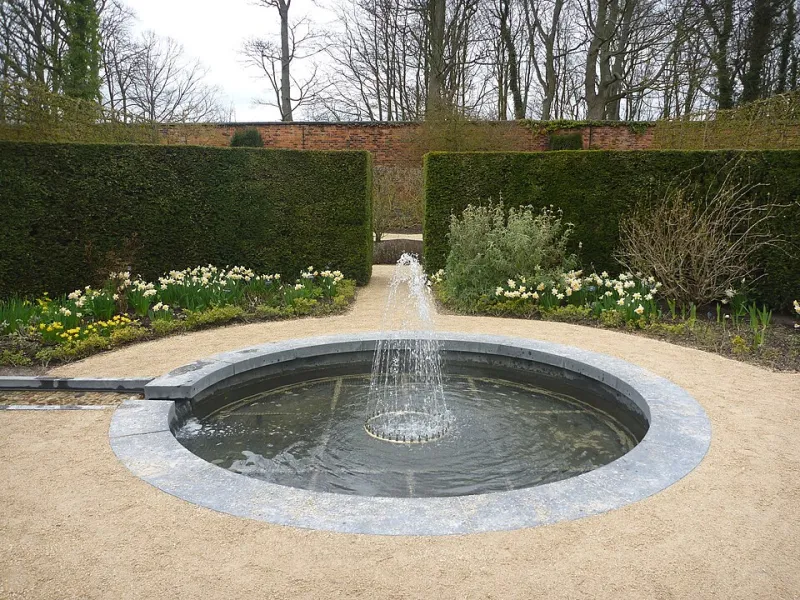
Photo: Bill Nicholls , CC BY-SA 2.0, via Wikimedia Commons
A 3m × 3m back garden is not a compromise. It is a room with a very clear brief. You can see the whole thing from the kitchen door, so every choice counts. The good news is that a plot this size can be reset in a weekend. The less good news is that it only works if you accept one rule: do fewer jobs, but finish them.
This is not the weekend to build a shed, lay a lawn, install a water feature and repaint the fence. It is the weekend to clear the rubbish, sort the soil, make one place to sit and plant a small, repeatable scheme that will look intentional by spring.
Before you buy anything: the honest audit
Stand at the back door with a mug of tea and look at the plot properly. Note where the sun lands at midday, where water sits after rain, where the bins go and where you naturally want to sit. Measure the space, including the fence lines and the bit behind the shed. Take a few photos on your phone so you can see the before and after without rose-tinted glasses.
Then decide the one thing that will make the biggest difference. In a tiny garden, that is almost always a clear seating corner. A bench or two chairs gives the plot a purpose and stops it feeling like a leftover strip of ground.
The timetable that leaves you time to eat lunch
Saturday morning is for clearing. Bag the rubbish, move pots you are keeping, cut back anything dead and pull up obvious weeds. Do not get drawn into a full border redesign. If a shrub is healthy and in the right place, leave it. If it is dead, dying or blocking the only route to the tap, it can go.
Saturday late morning is soil triage. This is the heart of the weekend. Sunday morning is for planting, and Sunday afternoon is for the finish: gravel, pots, a final tidy and a sit-down.
That leaves Saturday afternoon for edging, setting the seating corner and a trip to the garden centre if you must. If you are doing this on a tight budget, buy plants first and hard landscaping second. A cheap bench on decent soil beats an expensive bench on a bog.
No-dig soil triage for a tired plot
Do not rotavate a tired small garden. It brings weed seeds to the surface and turns a firm, structured soil into something like brownie mix. Start by clearing the surface. Cut down long grass and weeds with shears or a strimmer, then rake off the debris.
If the ground is compacted but drains, fork it gently to relieve the worst of it and leave the worms to do the rest. If it is wet and sticky, stay off it. Work from boards and come back when it has dried a little. If water sits in a hollow, either fill the hollow with soil or make a shallow gravel-filled drain away from the seating area.
For a quick reset, use the no-dig approach. Lay cardboard over cleared weeds, overlap the edges well, wet it and cover with 5–8cm of compost or well-rotted manure. Top that with bark mulch or gravel where you will walk. Plant through the cardboard by cutting a cross with a knife. This is not a magic trick, but it suppresses weeds, feeds the soil and gives you a clean surface to work with straight away.
The seating corner: one clear anchor
Pick a corner, not the middle. In a 3m × 3m plot, a seating area about 1.2m wide is enough for a small bistro set or a bench. Clear it, level it and put down a weed-suppressing membrane under gravel, or reuse existing slabs if they are sound. A small gravel pad is cheap, quick and forgiving of uneven ground.
Keep the seating corner simple. One bench, one small table, one pot. Do not add a parasol, a fire bowl and a string of lights in the same weekend unless you have finished everything else. The point is to create a place that feels finished, not a display of garden centre impulse buys.
Planting that looks intentional, not rushed
Repetition is your friend. Choose three plants and repeat them. In a small plot, a handful of different plants can look like a jumble, while the same plant used three times looks like a decision.
For structure, use a compact evergreen such as a box, an ilex or a dwarf pine. For softness, add a hardy geranium or a heuchera. For movement, use a carex or a small fern in a shady corner. For spring, plant bulbs in pots and in the gaps between perennials. If you want quick colour, add a few winter pansies or cyclamen, but treat them as seasonal dressing rather than the main event.
Keep the planting beds generous. A narrow strip of soil around the edge is hard to plant and harder to keep watered. If you can, make one bed at least 60cm deep and put the rest over to seating and path. In a tiny garden, a deep bed looks better than four thin ones.
Materials list for a 3m × 3m plot
You will need: cardboard, compost or well-rotted manure, bark mulch, horticultural grit, a small roll of weed membrane, a few slabs or a bag of gravel, pot feet, three evergreen or structural plants, three to five perennials, a handful of bulbs, and a bench or two chairs. Add a hand fork, secateurs, a knife, a rake and a watering can. Budget roughly £150–£250 if you shop carefully and reuse what you can.
The bit people skip: aftercare
Water the new plants in properly, even if rain is forecast. Keep off the beds for a few weeks so the soil can settle. Check the seating corner after heavy rain and top up gravel if it shifts. In spring, mulch again, cut back anything damaged by winter and feed the pots. A weekend reset is not a one-off event; it is the start of a much easier year.
What not to do
Do not try to do the whole garden in one go. Do not plant tender plants in November and hope for the best. Do not dig wet clay because you are impatient. And do not buy a shed, a greenhouse and a water feature before you have a place to sit. A small garden rewards restraint. Clear it, feed it, give it one good corner and repeat a few plants. That is a proper reset, and it will still look right when the novelty of the weekend has worn off.