The Handshake Zone: Designing the Hardest-Working Metre Outside Your Back Door
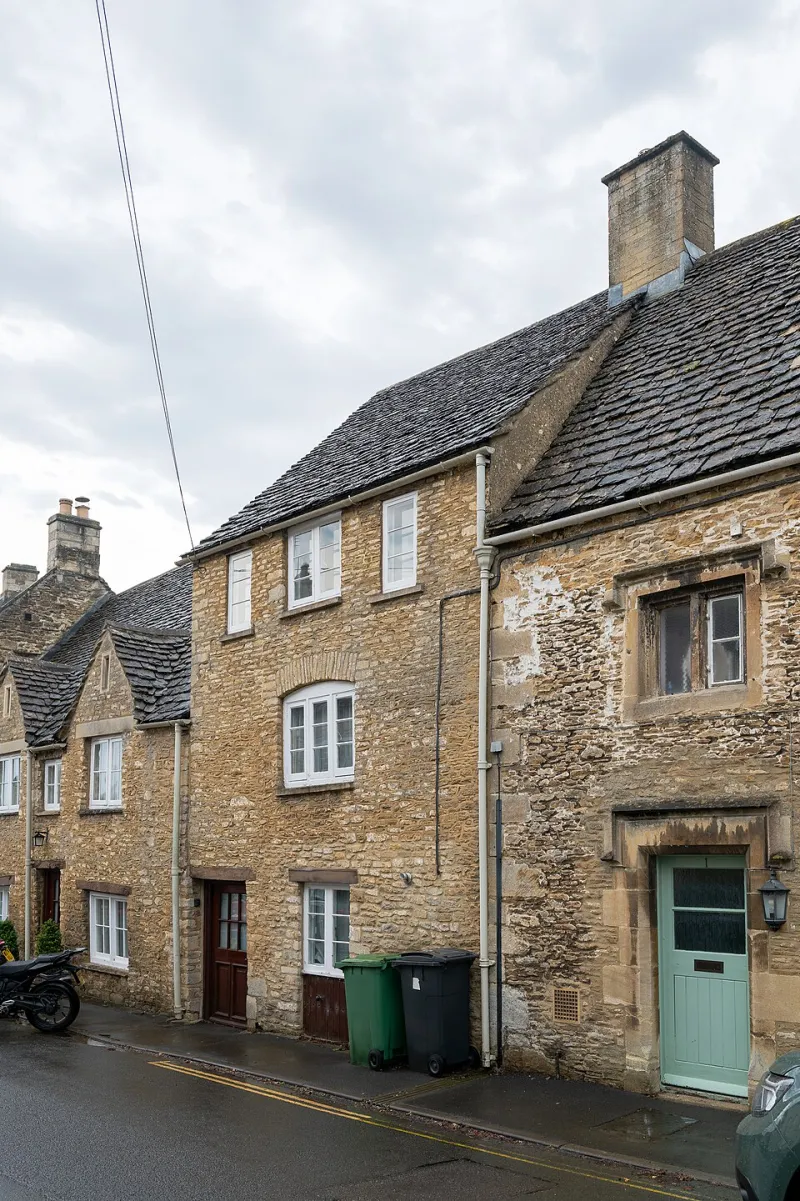
Photo: Tilman2007, CC BY-SA 4.0, via Wikimedia Commons
Most garden plans start at the boundary. We pace out the lawn, argue about the shed, sketch borders along the fence and only then remember the bit we actually use every day: the ground immediately outside the back door. That first metre is the handshake between house and garden. It takes the wet boots, the recycling, the dog towel, the hose reel and the first tired look of the morning. If it works, the rest of the plot feels calmer before you have taken three steps. If it fails, every trip outside feels like a small negotiation with mud.
So before you redesign the far end of the garden, spend a weekend on the near end. Not with a grand plan, but with an audit. Stand at the door, look down, look out and look back. The fix is usually smaller and cheaper than you expect.
Start with your feet, not the fence
A good test is to walk out in the rain. Not a gentle stroll — a proper November dash with a bin bag or a full watering can. Where do you step? Where do you turn? Where do you put something down because your hands are full? That worn line is the real path, and it may not match the paving you have inherited.
If the route from door to lawn or patio is a strip of tired grass, loose gravel or a single wobbly slab, that is your first job. You do not need to pave the whole garden. You need a firm, safe landing outside the door, ideally about a metre deep and wide enough for two people to pass without stepping into a border. In a small plot, that landing can double as a tiny patio. In a narrow one, it can be a simple rectangle of brick or stone that tells your feet where to go.
Audit the mud before you buy a mat
The mud is rarely just mud. After rain, look for the low spot, the gutter drip, the downpipe that empties onto the paving and the slab that has settled away from the wall. On UK clay, water can sit on the surface for hours. A thick doormat will hide the problem for a week and then become a soggy sponge.
Check the fall of the ground. Paving should slope gently away from the house, not towards it. If a puddle forms against the threshold, lift and re-bed the nearest slab rather than adding bark over the top. If a downpipe is the culprit, a shallow gravel trench or a water butt can redirect the flow. In a rented garden, a removable rubber channel or a thick gravel strip is a fair compromise. The aim is simple: water should leave the doorstep faster than your boots bring it in.
Make the step do its job
The step is a design decision, not just a lump of concrete. It should be visible, deep enough to stand on safely and high enough to feel like a change of level rather than a trip hazard. If the door opens onto a narrow strip, extend the landing with a single wide stone. If the step is dark and the wall is dark, add a pale edge or a strip of grip tape in a colour you can see in low light.
On older terraced plots, the back step is often the only place to sit and pull boots on. Give it a use. A sturdy mat, a small bench or a pair of hooks at shoulder height can turn a threshold into a tiny utility area that still looks tidy from the kitchen window.
Choose a surface for feet, not photographs
Loose gravel is lovely in pictures and dreadful at a back door. It travels indoors, rolls under boots and makes a mess of a small landing. If you want gravel, keep it to the garden beyond the first metre. Near the door, choose something stable: brick, stone slabs, compacted hoggin, or a simple concrete pad with a textured finish. In shade, avoid smooth, pale paving that turns green; a rougher surface and a regular scrub with a stiff brush will do more than any chemical.
Whatever you choose, make the edges clear. A soldier course of brick, a row of cobbles or a timber edge helps the eye read the space and stops soil spilling onto the paving. In a small garden, that little line of order does a lot of work.
Give clutter a home that looks intentional
The first metre collects things. Bins, boots, brooms, bags for the charity shop, the hose, the recycling box that never quite fits. If you ignore it, the doorstep becomes a storage yard. If you design for it, the same clutter disappears.
A slim lidded box beside the door can hold boots and tools. A wall-mounted hook rail takes bags and dog leads. A slatted screen can hide wheelie bins without sealing them into a dark cupboard — just leave enough space to wheel them out on collection day. Keep a clear route at least 600mm wide. And if the bins have to live near the door, give them a proper base so they do not sink into mud.
Fix the light, then the view
A back door light that glares into your eyes is worse than no light at all. You want to see the step, the path and the lock, not the bulb. A warm low-level wall light, a small bollard or a battery-powered strip under a shelf can be enough. PIR sensors are useful, but check they do not fire every time a cat walks past.
Then look out, not down. What do you see from the kitchen sink? If the answer is a wheelie bin and a bare fence panel, move one thing. A single pot, a small tree in a large container or a winter-scented shrub near the door can frame the view rather than block it. Keep the sightline to the rest of the garden open. The first metre should feel like a doorway, not a dead end.
Plant for the doorstep, not the border
You will smell and brush past this strip far more than the far border, so choose plants that earn their place. Herbs in pots by the door, sarcococca for winter scent, a compact lavender for a sunny step, or a clipped box ball for structure. Avoid anything thorny where you carry bags, and avoid tall pots that make the door feel cramped. One repeated pot on each side often looks better than a clutter of different sizes.
A weekend plan for the handshake zone
On Friday, walk the strip in the rain and note where water sits, where you step and what you put down. On Saturday, fix the surface: re-bed a slab, clear a drain, add a stable landing and make the step visible. On Sunday, sort the clutter with one box, one hook rail and one clear route. Then plant or place one thing that makes you smile when you open the door.
That is the whole job. The first metre is not the glamorous part of a garden makeover, but it is the part that decides whether the rest of the plot feels cared for. Get it right and the garden starts working before you have even reached the lawn.